What Is Domain Parking? A Beginner’s Guide to Making Money from Idle Domains
September 26, 2025
3 mins read

Have you ever bought a domain name that sounded like a great idea at the time… but then it just sat there, doing nothing? It happens more often than people admit. That’s where domain parking comes in. Instead of letting your domain collect dust, you can put it to work and earn a little (or sometimes a lot) of money.
So, what exactly is domain parking?
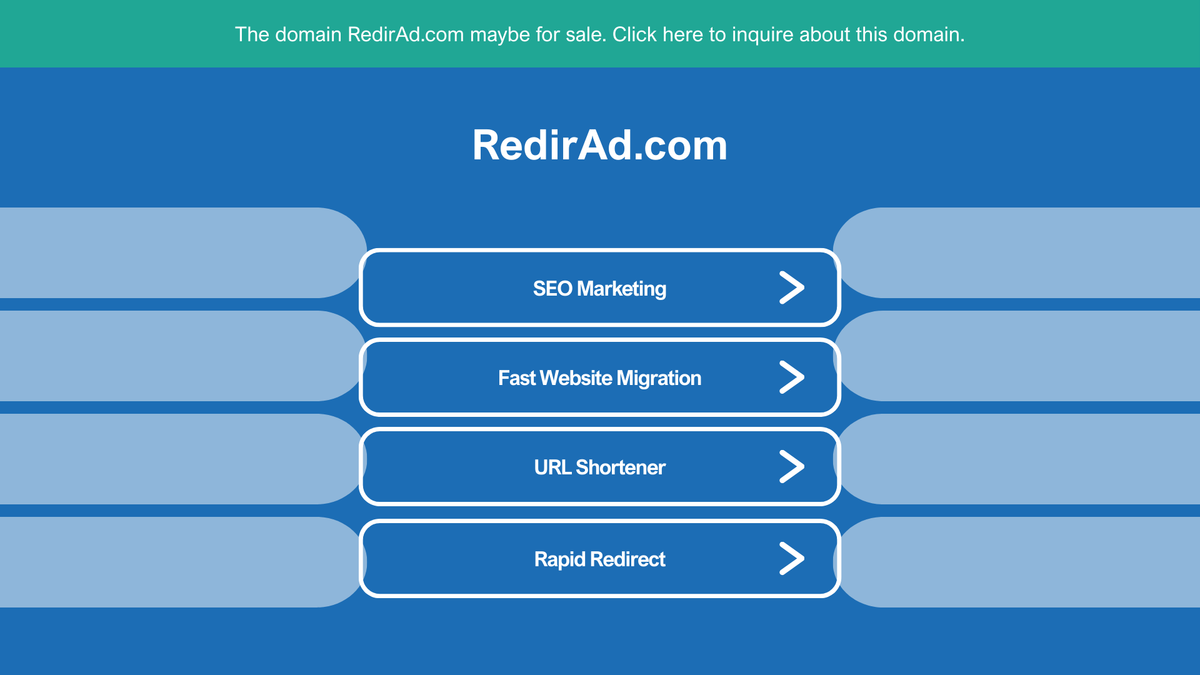
At its simplest, domain parking is when you point your unused domain to a page filled with ads or custom redirects. Visitors who type in that domain see the ads, and if they click, you get a cut of the revenue. It’s easy, right?
But domain parking isn’t just about slapping a banner ad and hoping for clicks. The people who succeed treat it more like a business. They understand traffic sources, keyword value, and the kind of domains people still type directly into their browser. Think of names like “bestcreditcards.com” or “cheapflights.net.” These can still get type-in traffic without a proper website behind them.
Why do people pay for “empty” domains?
It’s a fair question. If someone lands on your parked page and clicks an ad, the advertiser is paying for that click. They’re betting the visitor is valuable enough (as a potential customer) to justify the cost. For you as the domain owner, this is passive income – sometimes a few cents a day, sometimes thousands per month if you own premium domains.
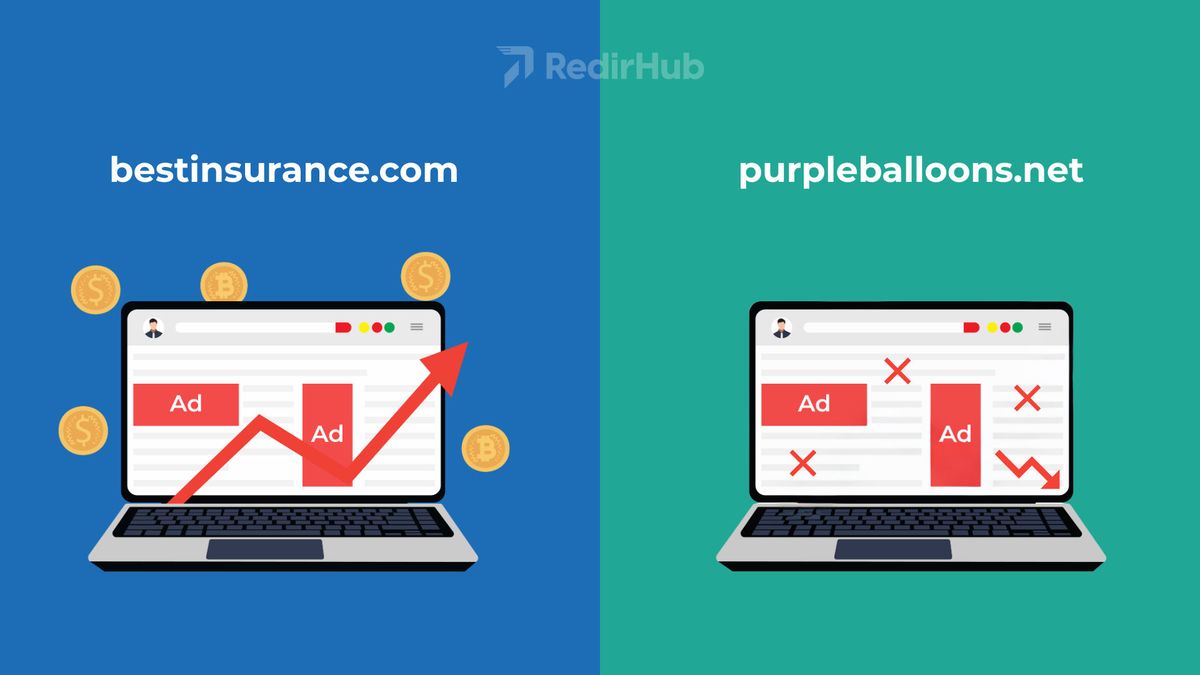
Here’s the thing: not all domains are created equal. A domain like “bestinsurance.com” has way more commercial intent than “purpleballoons.net.” One could make money parked, the other probably won’t.
The hidden side of domain parking
What doesn’t get talked about enough is that domain parking can also be used for redirect management. Sometimes companies own hundreds or thousands of domains – for branding, protection, or campaigns. Instead of juggling them all manually, they use a redirect management tool to organize, track, and monetize them.
That’s where services like RedirHub come in. It’s not just for monetization, but also for companies that want to cut costs and centralize their redirects without building infrastructure from scratch. A few firms that already run their own systems have moved some of the load externally just to simplify things.
Start Making 5x Faster Redirects with RedirHub
Get redirects in under 100 ms – with automatic HTTPS, analytics, and zero configuration.
Get Started FreeIs domain parking for everyone?
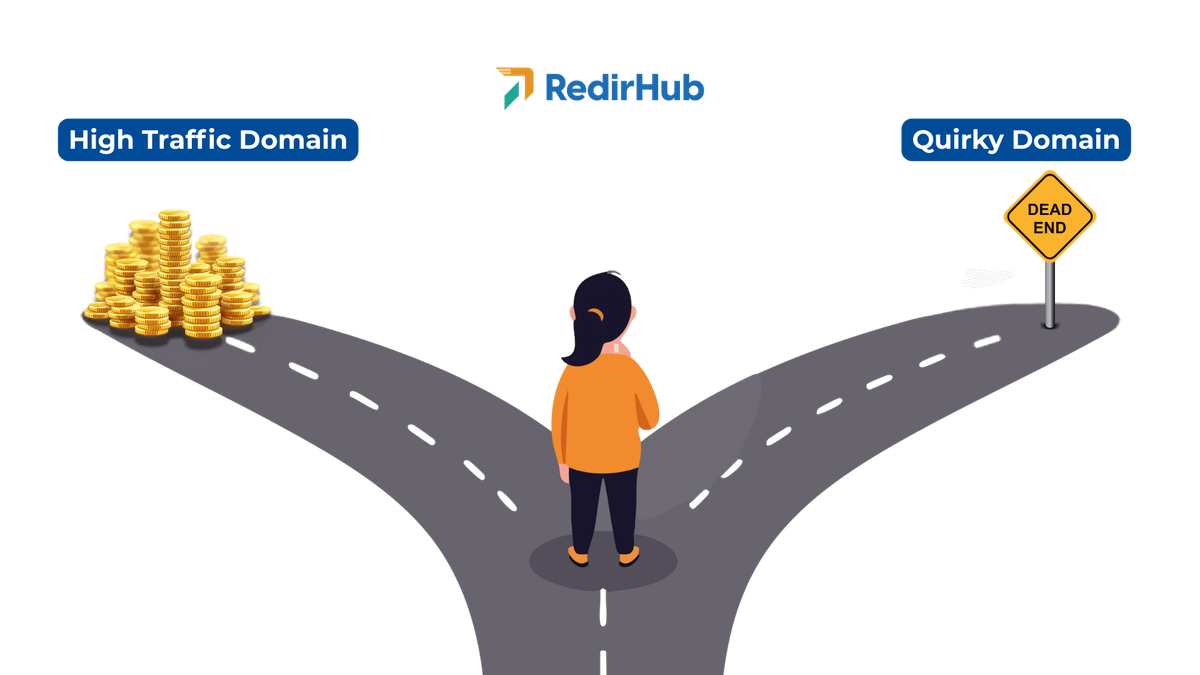
Not really. If you only own one or two quirky domains with no type-in traffic, you won’t see much. Domain parking shines when:
- You own keyword-rich domains.
- You’ve bought expired domains with existing traffic.
- You’re managing a portfolio of hundreds of names.
But here’s the truth: some people still see domain parking as “dead.” That’s mostly because the big money days (back in the early 2000s) are gone. Now it’s a slower game, but still viable if you’re smart about it.
How to get started
- Check if your domains actually get traffic. No traffic = no money.
- Pick a parking service (there are several, some more open than others).
- Experiment with redirecting to affiliate offers, not just ad pages. Sometimes that pays better.
- Don’t ignore analytics. The small details add up.
And here’s a small but important reminder – domain parking works best as part of a larger strategy, not the entire business. For some, it’s extra income. For others, especially large domain investors, it’s their main source.
Frequently Asked Questions
Domain parking is the practice of pointing an unused domain to a landing page with ads or redirects. When visitors land on the page and interact with it, the domain owner can earn revenue.
Domain parking earns money when visitors click ads or are redirected to monetized destinations. Advertisers pay for those clicks, and a portion of that revenue goes to the domain owner.
No, not all domains earn revenue when parked. Domains with strong keywords, commercial intent, or existing type-in traffic tend to perform much better than random or brand-only names.
Domain parking is not as lucrative as it was in the early 2000s, but it is still profitable for the right domains. Success depends on traffic quality, domain selection, and proper tracking and optimization.
Redirects help domain owners manage large portfolios and test different monetization options. Many investors use redirect platforms to organize domains, track performance, and move traffic efficiently.

Trinayan Chakraborty
TC is the Operations Manager at RedirHub, leading the company’s operational strategy and execution to ensure reliable, scalable redirect infrastructure. He oversees internal processes, cross-team coordination, and platform readiness while supporting customers through complex redirect implementations. With a strong understanding of large-scale domain operations and real-world edge cases, TC plays a key role in aligning product and customer success to deliver stable, high-performance redirection solutions.